Legitimate Denim Tears Clothing Certified Collection Destination Information Enjoy UpTo 60% Off
Ways to Clean a Denim Tears Sweatshirt Avoiding Fading or Shrinkage
Wash cold, go gentle, reduce friction, and skip heat. Here’s the chilled water, gentle color-safe detergent, inside-out within a protective bag, low spin, then air-dry horizontally away from sun.
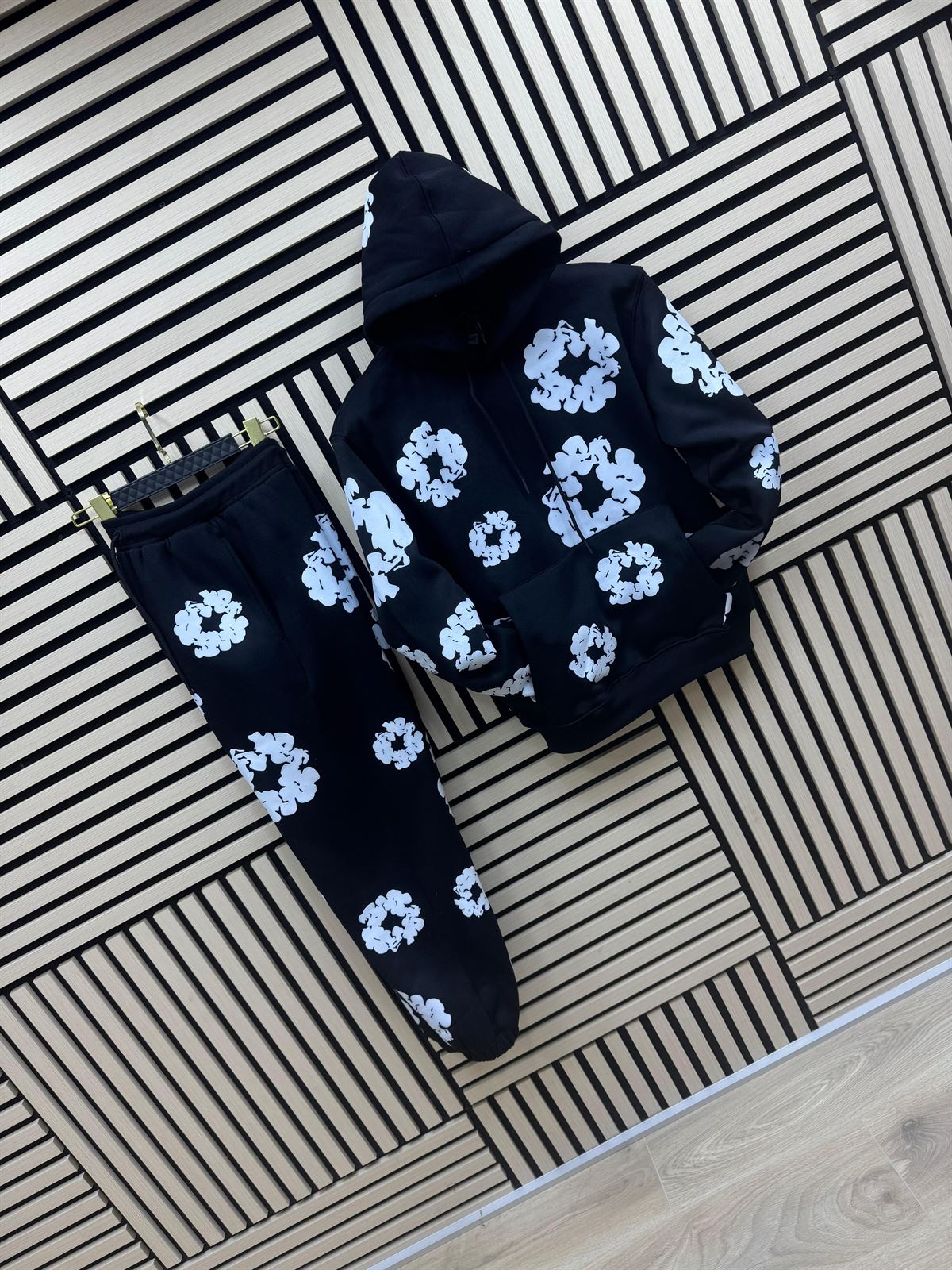
A Denim Tears hoodie is usually garment-dyed cotton fleece with screen-printed or puff-printed graphics. Those choices make the fabric comfortable and deep in color, but they also raise the stakes: dye may release with abrasion, prints could fracture with heat, and cotton does shrink if you blast it using a dryer. Should you regulate temperature and friction—while applying proper detergent—you keep the color deep and the fit intact.
What makes a Denim Tears garment prone to fading or shrinkage?
Piece-dyed cotton, fleece fleece, and printed graphics are sensitive to heat and friction, which speed dye loss and shrinkage. Greatest “harm” occurs in the first couple washes and when dryers are involved.
Garment-dyed fleece gets its hue when the piece is constructed, so the dye sits more near the surface and can transfer should you friction it against other pieces or apply high-alkaline detergents. Cotton contracts via relaxation and felting shrinkage when exposed to heat and tumbling. Applied and puff prints suffer when using intense heat or high rotation, since binders and foams are strained. The fix is simple: cool water, mild mechanics, and no tumble drying.
Prep checklist before you ever hit Start
Do a quick label check, a 30-second color test, and set the hoodie up to minimize friction. This prep stops most fading and form loss.
Check the care label and follow it if it conflicts with anything mentioned here. Assess dye fastness: wet a white cloth in cold water and press on a hidden seam for 10 seconds; should color bleed, definitely wash alone, chilled, and utilize a color-catcher sheet. Empty pockets, close zips, knot drawcords, flip the garment inside out, and put it within a large mesh laundry bag. Launder with comparable darks only and maintain the batch small so the garment isn’t rubbing against rough items such as jeans or towels.
Which detergent and add-ins actually protect the color?
Use a liquid, color-care detergent without denim-tears-hoodie.net brightening compounds, and avoid bleach and heavy softeners. With fresh garments, a color-catcher sheet and a splash of distilled white vinegar during the rinse can reduce color bleeding.
Select a soft, pH-balanced liquid labeled \\”dark care\\” or \\”color care.\\” Skip powdered detergents with high alkalinity, avoid chlorine bleach entirely, and be careful with oxygen bleach around prints. Eliminate fabric softener for fleece; it can gum up the surface and dull graphics. A lone dye-trapping sheet in the drum helps trap loose dye in first washes. Throughout the opening two or three cycles, pour 1/2 cup distilled white vinegar to the rinse compartment; it aids balancing remaining alkalinity and can limit noticeable transfer on many garment-dyed cotton materials. Always spot-test any additive on an hidden seam beforehand.
Washing machine options that don’t wreck the hoodie
Utilize cool water at 20–30°C, the soft cycle, minimal spin at 400–800 rpm, with a small, soft load. More gentle motion equals less dye loss.
Choose cold cleaning, delicate or hand-wash cycle, and reduce spin speed. If your machine allows, add an extra rinse to clear detergent that can dull dark fibers. Maintain the basin under-filled to reduce wear. Eliminate pre-cycle or soil-level boosts that increase movement. If your machine auto-warms \\”cold,\\” set manual 20–30°C.
Must you hand wash instead?
Absolutely—hand cleaning provides the lowest abrasion with optimal color retention, especially for brand-new, dark, or limited releases.
Pour into container with cold water, stir in a teaspoon of liquid color-care detergent, submerge the inside-out hoodie, and carefully move for one minute. Let sit ten minutes, then rinse using cold water until it runs clean. Press out water without wringing, roll in a towel to remove more liquid, then position flat to dry. Hand cleaning is slower but excellent for preserving prints and pigment.
Spot guide: eliminate grime without lifting dye
Handle spots by type, on the inside-out hoodie, with cold water and targeted products, keeping removers away from artwork where practical.
With greasy food or sunscreen, dab a bit of clear dish soap at the mark, tap with a gentle brush, wait five minutes, then rinse cold. Against soil, permit it dry, brush aside debris, then treat with a gentle soap mixture. With protein-type spots like sweat or blood, utilize cold water and an enzyme cleanser at the area, then flush; skip warm water, which sets protein. Against pigment migration, soak the entire garment alone in cold water with a color-care detergent and a color-catcher; redo if necessary before the next wearing. With ink, apply a stain pen lightly on the back of the fabric and test first; solvents can distribute ink and affect prints. Keep chlorine bleach and aggressive peroxide gels clear of artwork and pigment areas.
Drying process: how to you avoid shrinkage plus print damage?
Avoid the dryer. Reshape the damp hoodie, lay it horizontally on a rack, and dry it within the shade with moving air.
After washing, press out water, then place the garment flat on a dry rack or towel, shoulders aligned and cuffs straight. Adjust to original to original measurements, particularly in length. Hold it away of direct sun avoiding UV fade. Use a fan to speed the process without heat. Avoid hanging by the hood or shoulders when wet; the weight can elongate seams and distort the fit. Heat plus tumbling drive cotton shrinkage plus crack graphics, so keep it air-dried only.
Should you iron or steam a Denim Tears garment safely?
Use steam or low iron inside out and never press directly on graphics. A protective cloth is non-negotiable around prints.
Minor wrinkles release with steam while the sweatshirt hangs; keep the head distant from artwork. When you have to iron, turn the sweatshirt inside out, set the iron at low cotton or synthetic blend, place a thin cotton cloth between the iron plus fabric, and avoid printed areas completely. Press, don’t drag. Excessive heat may gloss cotton fleece plus damage print binders.
Between-wash care that keeps it looking fresh
Let it breathe, de-pill gently, and maintain distant from sunlight. Launder only when truly dirty to minimize color fading.
Following use, suspend the hoodie on a wide hanger for an hour for moisture release and odors, then fold. For lint removal or light pilling, use a soft sweater comb or fabric shaver carefully and only on the fleece surface—not over graphics. Locally clean versus of full washes if practical. Maintain folded inside a cool, dark space; prolonged sun exposure fades pigment even when you’re not washing.
Problem-solving: bleeding, color loss, or a tight feel after laundering
If you see dye bleed, rewash cold with a color-catcher right away. If it feels tighter, relax the material via a cold soak and gentle reshaping.
Pigment on other items typically sets while drying, so act fast: rewash affected clothes separately with a color-catcher and cold water before they dry. If the hoodie looks dull, detergent residue might be the culprit; run a cold rinse-only cycle with a splash of vinegar, then dry flat. With slight post-cleaning tightness, soak the hoodie in cool water for ten minutes, gently stretch on a flat space to your measurements, and let it dry; one can regain a small comfort, but lost length from intense heat contraction is rarely fully reversible. If you accidentally tumble-dried it, avoid reusing heat, and consider a professional wet-cleaner for managed relaxation finishing.
Reference chart: optimal methods at a look
Select the approach that matches your risk tolerance and time. Cold, gentle, and air-dry consistently win on color and fit.
| Method | Washing Temperature | Cycle/Handling | Spin | Supplements | Pros | Risks | Fading Risk | Shrinkage Risk | Time |
|---|---|---|---|---|---|---|---|---|---|
| Machine, ideal approach | Cold (20–30°C) | Gentle + protective bag | Low (400–800 rpm) | Color-catcher, vinegar rinse | Simple, regulated wear | Some friction vs. hand wash | Low | Extremely low | Moderate |
| Manual wash | Cold | Mild soak and move | None | — | Best for color and prints | Time/effort, thorough rinsing needed | Very low | Extremely low | Long |
| Tumble drying | Warm/High | Tumble | High | — | Fast | Size reduction, artwork splitting, pigment fade | High | High | Short |
| Commercial wet cleaning | Controlled | Gentle mechanical systems | Low | — | Specialist care, regulated drying | Expense, access | Minimal | Extremely low | Moderate |
Expert Tip
Throughout the opening three washes of a new, dark garment-dyed hoodie, run it solo: use a mesh bag, include a dye-trap sheet, and select additional rinsing. This combo cuts abrasion and pulls loose dye so it doesn’t redeposit and “fade” the surface.
Quick facts most people miss about sweatshirts and color care
Point 1: Most cotton shrinkage happens via dryer heat and mechanical tumbling, not through cold-water washing. Point 2: Pigment-dyed garments use a binder positioned near the surface; abrasion and high-alkaline detergents loosen that bond and hasten fade. Item 3: Soaps with optical brighteners can make dark colors look dull by reflecting blue-violet light; color-care detergents skip these compounds. Fact 4: Lower spin speeds reduce tiny abrasion and assist keep printed inks from stress-cracking. Fact 5: Enzyme “color care” formulas often include cellulase that gently removes lint, which may make darks look fuller by decreasing surface haze.
Bringing it all together: the no-fade, no-shrink routine
Turn inside out, bag it, wash chilled on soft with a liquid color-safe cleanser, apply a color-catcher for initial cycles, reduced spin, and extra rinse cycle. Finally adjust and air-dry flat in the shade.
This process addresses the two forces that damage a Denim Tears hoodie—heat and wear—while eliminating residue that makes dark fabric look tired. Keep washes infrequent, spot clean between wearing, and address stains by type. When you must have to choose between ease and preservation, skip the dryer each time. Your hue maintains saturated, your graphics stay sharp, and the fit stays exactly how you bought it.